As technology continues to evolve, it is becoming increasingly difficult for companies to capture and hold audience attention. With attention spans shrinking and content consumption increasing, businesses need video that works harder than ever.
More companies are choosing flexible, independent editors who can offer specialist skills, quick turnarounds, and a personal touch, as high-quality video content has become essential for brands, businesses and creators across every sector. With demand rising, so has the popularity of freelance video editing.
What Is Freelance Video Editing?
Freelance video editing is the process of turning raw footage into a polished, professional story. Unlike in-house or agency editors, freelancers work independently, set their own schedules, and often form close creative partnerships with clients.
From social clips and brand films to fast-turnaround event coverage and case studies, freelance editors handle an increasingly broad range of projects. It’s why so many people searching for “video editors near me” end up choosing freelancers who can provide a quick, reliable, and tailored service.
Ollie Tristram describes the freelance lifestyle as something that gives him ownership and creative freedom. He explains that the appeal comes from knowing every project is truly his responsibility.
He adds that freelance editors are often brought in when agencies are stretched. While agencies may keep the biggest projects in-house at times, freelancers get the opportunity to focus deeply on individual jobs, which usually leads to stronger results.
The Types of Projects Freelance Editors Take On
Freelance editors tend to work across all types of sectors and across a huge range of industries, brands, and content styles. Their work is very versatile, and that variety is part of what keeps the work exciting. Freelancers need to be able to quickly adapt their style and approach to suit the client, brand, and brief.
Some examples of projects freelance video editors take on are:
- Corporate videos where freelancers shape raw footage into polished internal comms, training material, or company stories. These are great for websites, expos, LinkedIn, etc.
- Promotional and social media content that captures attention quickly and is tailored for platforms like Instagram, TikTok, and YouTube. These are perfect for boosting reach, engagement, and brand visibility.
- Event highlight reels that condense hours of footage into an engaging summary of the key moments. These videos are great for showcasing company culture, celebrating milestones, and promoting future events.
- Explainer videos and product demos that break down complex ideas into digestible, audience-friendly content. These are best used on landing pages, onboarding journeys, and social ads.
- Brand storytelling projects that help businesses communicate personality, values, and purpose through visual narratives, ideal for campaigns, About Us pages, and pitch material.
- Animation and motion graphics support where editors enhance existing footage with titles, transitions, effects, or bespoke animated assets, perfect for elevating ads, tutorials, and high-impact social content.
Understanding the Video Editing Process
If you’re wondering how the video editing process works, it may seem a little complex at first, but it is surprisingly structured — especially when handled by someone with experience in colour grading, audio post-production, and motion graphics.
A simple run-through of how the video editing process works, as explained by Ollie:
- The footage arrives — via a hard drive or a download link, such as Dropbox or Google Drive.
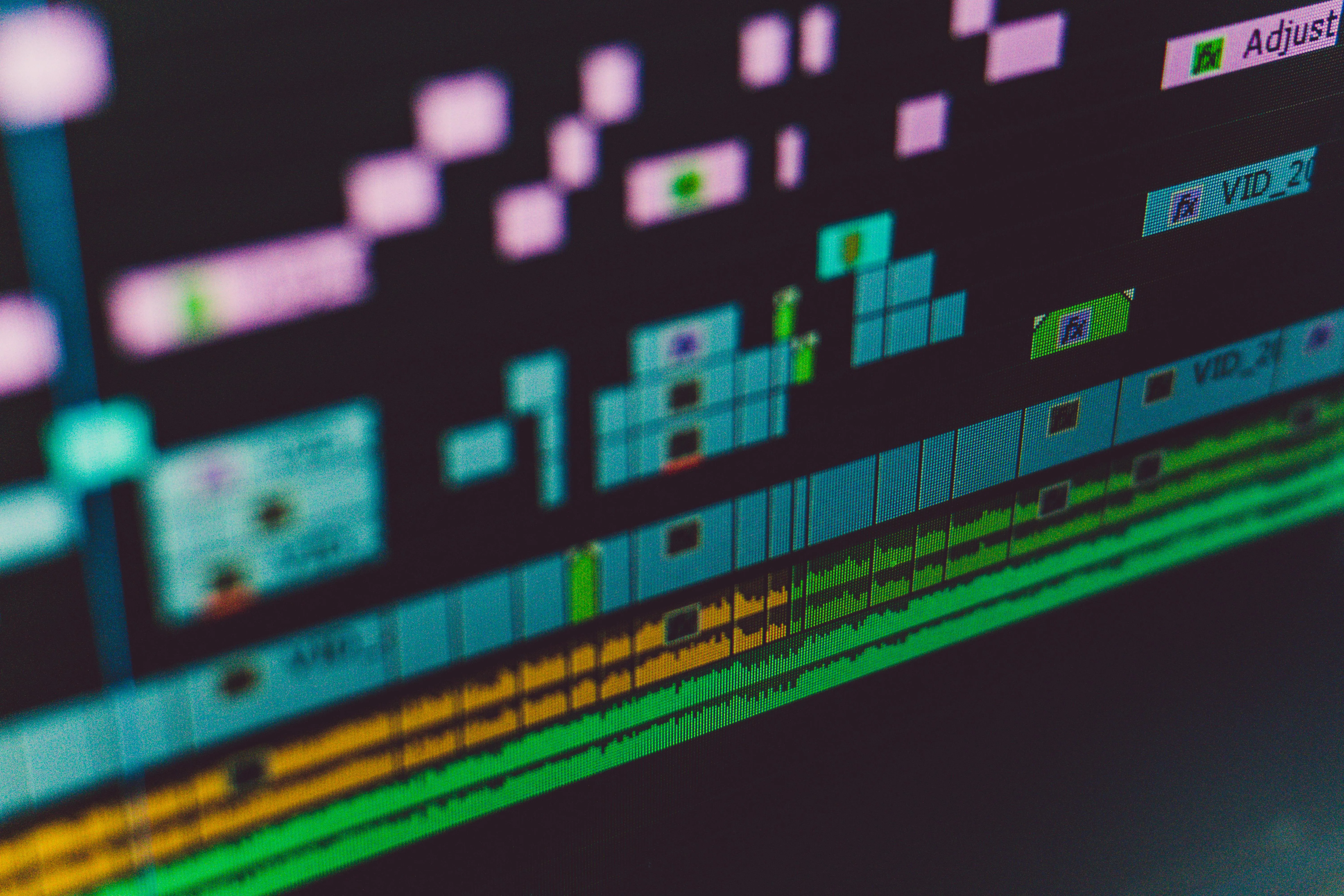
- Everything is organised in Adobe Premiere — interviews and b-roll are placed into separate sequences for clarity.
- Creating selects — Ollie pulls out the strongest interview moments and best visuals, marking them clearly to streamline the narrative build.
- Building the story — interviews form the base, while b-roll adds texture, meaning, and flow.
- Adding graphics and music — as a skilled motion graphics designer, Ollie creates lower thirds, titles, stats, logos, and any necessary on-screen elements.
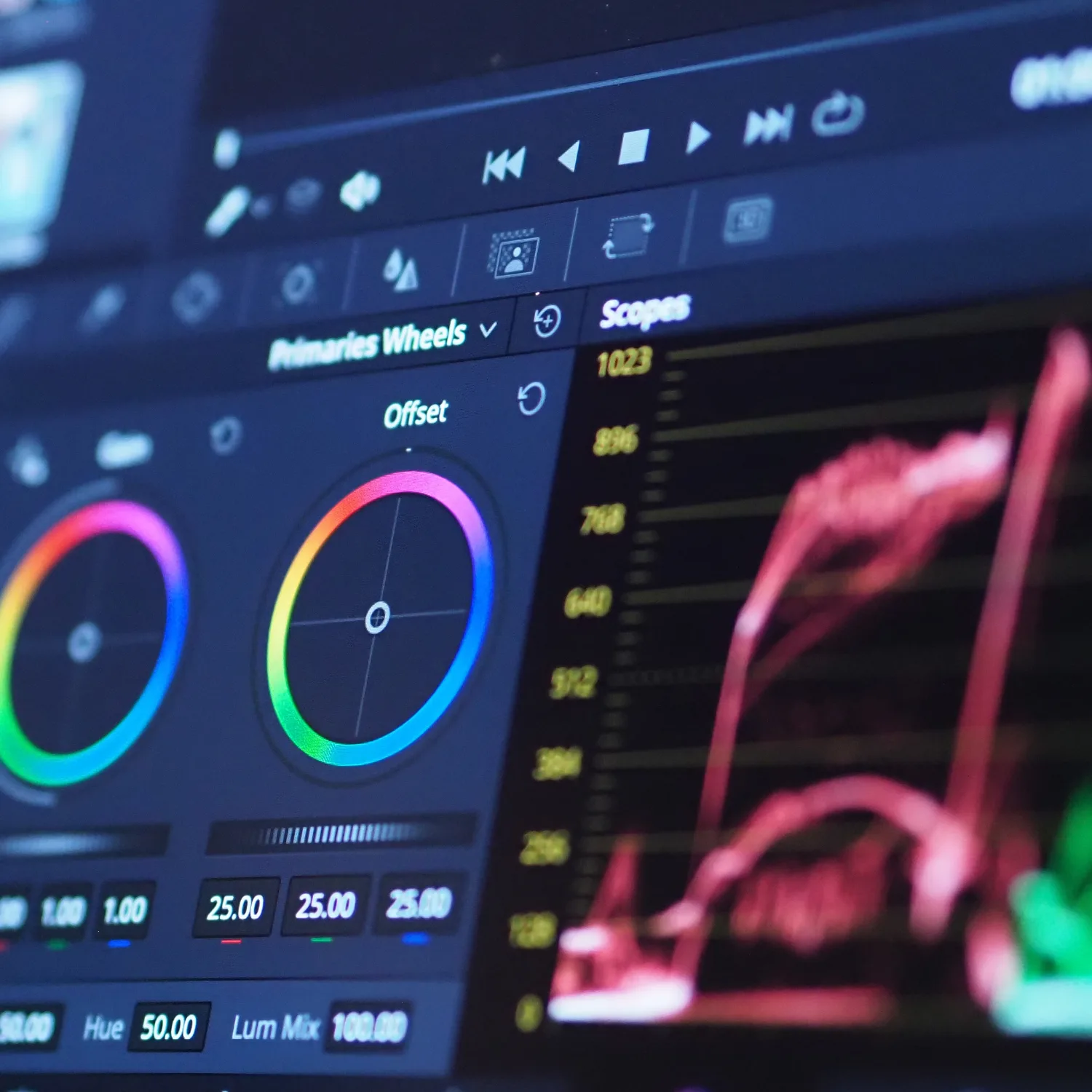
- Colour grading and audio post-production — bringing everything together, enhancing the visuals and sound so the video feels cohesive and polished.
- Feedback rounds — usually two to three rounds that help shape the edit into its final version.
Throughout the video editing process, Ollie emphasises clear communication. He makes a point of responding quickly and keeping clients up to date, which helps avoid any last-minute surprises and ensures everyone stays aligned.
What Makes a Great Freelance Video Editor?
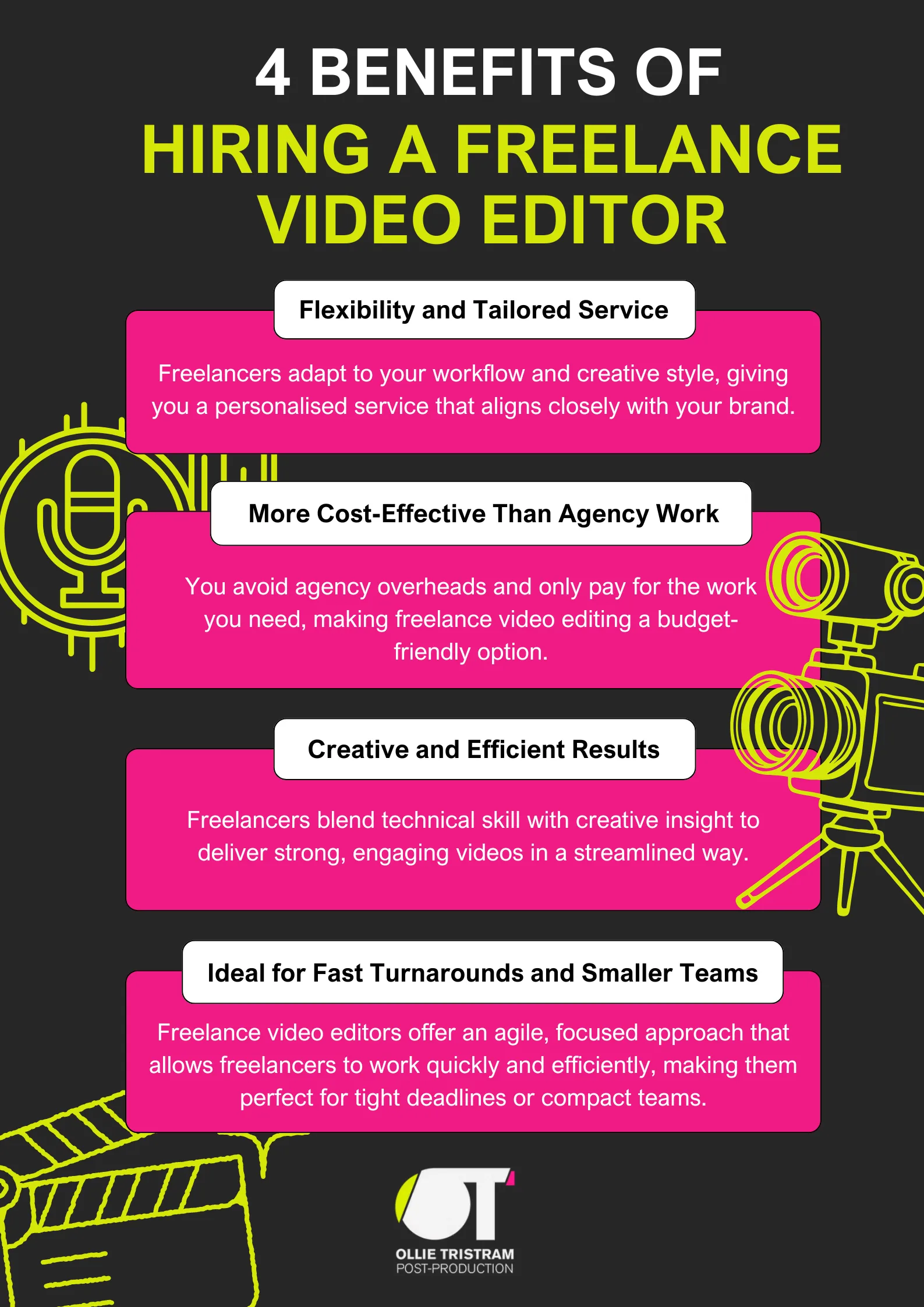
A successful and effective freelance video editor can bring together both technical skill and creative instinct. It is about pacing, storytelling, and how to cut footage so it feels natural and engaging — and that is what a good editor will understand. Even if the project brief is complex, they can keep a cool head and deliver.
To summarise the key skills, a great freelance video editor should have:
- Strong storytelling and pacing instincts
- Technical proficiency with editing software
- An eye for detail in colour, sound, and continuity
- Clear communication and collaborative skills
- The ability to manage deadlines and project versions
- Creative problem-solving when footage or briefs are challenging
A Final Piece of Advice from Ollie Tristram
When hiring a freelance video editor for the first time, Ollie’s biggest tip is simple: give them a chance. If you’ve reached out, it’s likely because you need support, so trust the freelancer to do what they do best. Give them the space and freedom to bring their skills to the project, and you’ll see what a difference an experienced, dedicated editor can make.
If you’re looking for a freelance video editor, contact Ollie today.